Haydn 2032 Volume 8: La Roxolana
Il Giardino Armonico, Giovanni Antonini
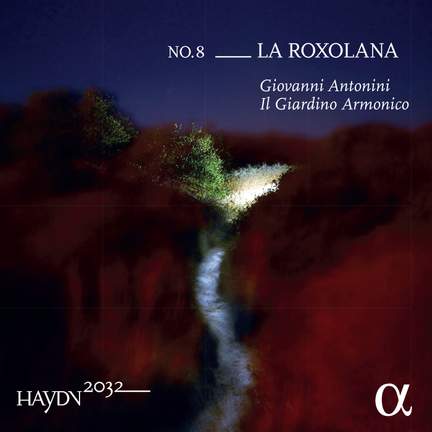
Haydn and Bartók? Such unexpected pairings are one reason this ambitious series works so well, another being the sparkling performances.
Haydn 2032 Volume 8: La Roxolana
Il Giardino Armonico, Giovanni Antonini
Purchase product
Haydn and Bartók? Such unexpected pairings are one reason this ambitious series works so well, another being the sparkling performances.
About
For its eighth volume, Haydn2032 invites us on a musical journey that takes the Balkan route. Of all the Viennese Classical School , Joseph Haydn is certainly the composer closest to folk music, first because he spent his early years in the countryside and also because, unlike his colleagues who worked in the urban centres of the Habsburg monarchy, Haydn was in contact with Croats, Roma and Hungarians throughout his life. These influences were omnipresent in his music, to the delight of Prince Nikolaus I Esterházy and his guests, but by some accounts were not to the taste of many music theorists in Germany. Haydn gave his Symphony no.63 in C major the title of La Roxolana , from the famous sixteenth-century sultana who was the wife of Suleiman the Magnificent after having been his slave. As usual, Giovanni Antonini, who is reunited here with Il Giardino Armonico, juxtaposes Haydn's music with that of another composer. The natural choice here was Bela Bartók, who is represented by his Romanian Folk Dances, composed in 1917.
Contents and tracklist
Awards and reviews
 June 2020
Haydn and Bartók? Such unexpected pairings are one reason this ambitious series works so well, another being the sparkling performances.
 2nd February 2020
These are invigorating, polished performances of three beguiling middle-period symphonies, the latest instalment in Antonini’s Haydn2032 project.
 23rd February 2020
Three Haydn symphonies receive spiffingly energetic performances...with La Roxolana (Symphony No 63) making a theatrical link and Mercury (No 43) taking the honours for sheer invention.