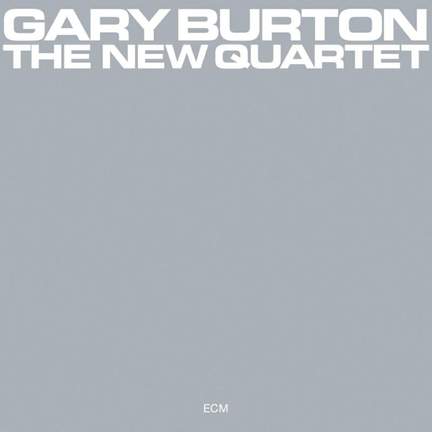
The New Quartet
Gary Burton (vibraphone)

Awards:
-
Jazzwise, Recommended Reissue/Archive, August 2023

[Burton's] playing here contains no high-tempo fireworks, but refined, almost perfect lyrical expressionism, use of dynamics, and a technique that effortlessly embraces the four-octave span...
The New Quartet
Gary Burton (vibraphone)
Purchase product
Awards:
-
Jazzwise, Recommended Reissue/Archive, August 2023
[Burton's] playing here contains no high-tempo fireworks, but refined, almost perfect lyrical expressionism, use of dynamics, and a technique that effortlessly embraces the four-octave span...
About
Luminessence, ECM's new audiophile vinyl-reissue series, is a kaleidoscope, shedding light on the jewels of the label's deep catalogue in elegant, high-quality editions - audiophile vinyl pressing, high-grade tip-on gatefold sleeves that include new liner notes.
As well as being the great vibes innovator of the era, Gary Burton has been a most astute talent scout. In 1973, The New Quartet introduced Abraham Laboriel: this was the first recording of the bassist who would shortly become one of the most in-demand session players across all genres. "It must be emphasised that Laboriel sounds like a major artist in the making with his astonishing bass work," wrote Melody Maker.
Guitarist Mick Goodrick also emerged as a player to watch with this album, shining in a well-conceived programme with compositions of Keith Jarrett, Chick Corea, Carla Bley, Mike Gibbs and bandleader Burton.
Gary Burton: vibraphone
Mick Goodrick: guitar
Abraham Laboriel: bass
Harry Blazer: drums
Contents and tracklist
Side 1
1. Open Your Eyes, You Can Fy (6:39)
2. Coral (4:07)
3. Tying Up Loose Ends (5:12)
4. Brownout (6:30)
Side 2
1. Olhos De Gato (5:37)
2. Mallet Man (7:10)
3. Four Or Less (6:11)
4. Nonsequence (4:29)
Awards and reviews
-
JazzwiseRecommended Reissue/ArchiveAugust 2023
 August 2023
[Burton's] playing here contains no high-tempo fireworks, but refined, almost perfect lyrical expressionism, use of dynamics, and a technique that effortlessly embraces the four-octave span of his instrument.