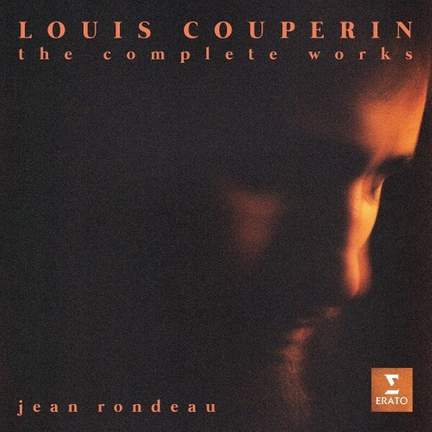
Louis Couperin: The Complete Works
Jean Rondeau (harpsichord)
Awards:
-
The Times, Best Classical Box Sets Christmas 2025

-
Opus Klassik Awards, 2026, Winner - Solo Instrumental Recording

His phrasing is flexible yet logical, rhetorical in the unfashionable but true sense of the word...In a time when 'completeness' too often means mere obsession, Rondeau's set redefines the term.
Louis Couperin: The Complete Works
Jean Rondeau (harpsichord)
Purchase product
Awards:
-
The Times, Best Classical Box Sets Christmas 2025
-
Opus Klassik Awards, 2026, Winner - Solo Instrumental Recording
His phrasing is flexible yet logical, rhetorical in the unfashionable but true sense of the word...In a time when 'completeness' too often means mere obsession, Rondeau's set redefines the term.
About
“I think there is something in the music of Louis Couperin that transcends the instrument and proves inspiring in an absolutely unique way,” says the harpsichordist Jean Rondeau. He has now recorded the complete works of the composer acknowledged as the first important member of the influential Couperin dynasty. Louis – whose nephew François is the most widely known Couperin – was born in 1626, so the release of Louis Couperin: The Complete Works (10 CDs and a bonus DVD) heralds his 400th anniversary. Over the course of his short life (he died at 35) he composed prolifically for the keyboard – some 130 pieces in all. In 2024 Rondeau devoted eight months to this landmark recording project, using three different harpsichords and two church organs. He is joined by a distinguished ensemble of performers for complementary vocal and instrumental works, by Louis Couperin and by other composers active in the 17th century.
“Louis Couperin placed the harpsichord at the heart of musical life through his work,” explains Rondeau, “He succeeded in making the instrument sound like no one else could, thanks to rich polyphony and boundless inventiveness, all within the traditional framework of the dance suite. Alongside those traditional dances, Louis Couperin paid tribute to the musicians of his time through the form of the tombeau, which becomes the vessel for an expressive transcendence.” Strikingly characteristic of Louis Couperin’s body of work is the prélude non-mesuré or unmeasured prelude, notated without barlines, Rondeau describes these préludes as “written improvisations” which “reflect an instinctive musical thought framed by the tonal colours that could emerge from a harpsichord of the early 17th century.” He points out that a prélude non-mesuré by Louis Couperin was the first piece he ever played as a child of six or seven. “It literally opened the world of music to me …”
“I believe this project is one of the most important of my life as a keyboard player. On the one hand, because of its extraordinary richness and prolific content, and on the other hand, because of the strong and so right relationship that Louis Couperin and his work had with the harpsichord and the organ. He knew how to make these instruments sing and vibrate like no one before him and probably no one after him either.” – Jean Rondeau
The bonus DVD, a 66-minute film by Erwan Ricordeau, features Jean Rondeau in Colmar's Unterlinden Museum, one of the locations of the recording. He explains the instrument, his relationship and admiration for Louis Couperin. It provides fascinating insights which are a perfect accompaniment to this Complete Works set.
Contents and tracklist
- Louis Couperin: The Complete Works
Awards and reviews
-
The TimesBest Classical Box Sets Christmas 2025
-
Opus Klassik Awards2026Winner - Solo Instrumental Recording
 December 2025
His phrasing is flexible yet logical, rhetorical in the unfashionable but true sense of the word...In a time when 'completeness' too often means mere obsession, Rondeau's set redefines the term.
 9th December 2025
Ten discs plus a DVD featuring 17th-century largely keyboard works by François Couperin’s less familiar uncle might seem a rather niche offering. But that’s reckoning without the rhetorical flourish of Louis’ music, the immense skill of this set’s progenitor and star performer, Jean Rondeau, and the colourful range of his historical instruments (harpsichords and organs).