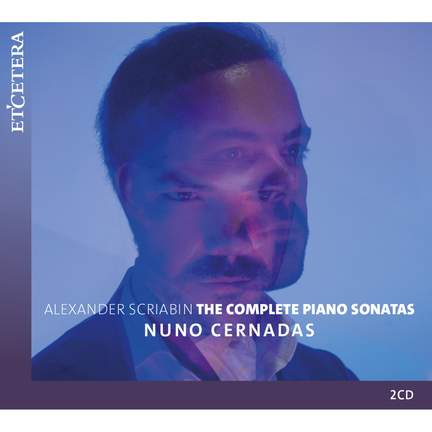
Scriabin - the Complete Piano Sonatas
Nuno Cernadas (piano)
Cernadas delivers a truly intense, mysterious and powerful rendition of the Ninth Sonata. The way he pedals the opening motif creates a hazy, enigmatic aura that contrasts vividly with the intensity...
Scriabin - the Complete Piano Sonatas
Nuno Cernadas (piano)
Purchase product
Cernadas delivers a truly intense, mysterious and powerful rendition of the Ninth Sonata. The way he pedals the opening motif creates a hazy, enigmatic aura that contrasts vividly with the intensity...
About
Alexander Scriabin's (1872-1915) piano sonatas offer a uniquely encompassing insight into the composer's fascinating music and aesthetics, and their development over the span of his creative life.
Upon first listening, Scriabin's piano sonatas seem to be a group of widely different works written in unrelated styles, as if they would be the result of the creative labour of different composers. On closer and repeated listening, however, they emerge as individual crystallised stages in a sweeping process of philosophical and aesthetic metamorphosis - a process that encompasses the constraints of the composer's own condition, his developing musical thought, and his philosophical understanding of the cosmos and his own place in it. Contact with the mystic philosophy, namely Theosophy, and with Silver Age Symbolist artists and thinkers was crucial to this development.
The wealth of expression contained in Scriabin's sonatas - ranging from the passionate romantic outbursts of the first three, through the flights and ecstatic dances of the middle period's first three, through the late sonatas' musical representation of mystical dissolution - is, I would dare say, unparalleled in the history of music. This paradox of variety within unity, well enshrined in the mystic philosophy so dear to Scriabin, demands of the pianist (and the public) an intense effort in identifying each sonata's idiosyncrasies without losing the feeling of the whole.
Contents and tracklist
Awards and reviews

Cernadas delivers a truly intense, mysterious and powerful rendition of the Ninth Sonata. The way he pedals the opening motif creates a hazy, enigmatic aura that contrasts vividly with the intensity of the music that follows.