Gade: Piano Works
Marianna Shirinyan (piano)
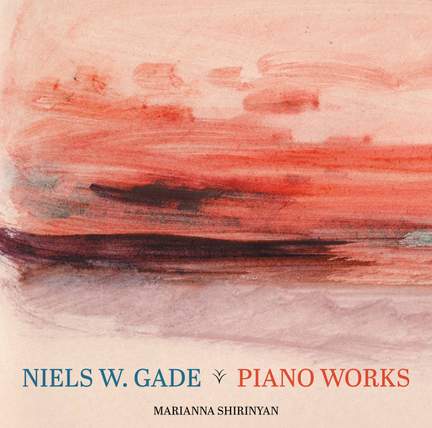
Marianna Shirinyan’s playing is clean, vivid, and virtuosic when required…this CD is invariably cheerful and sunlit: a treasure-trove of potential encore pieces, and fine material for learners...
Gade: Piano Works
Marianna Shirinyan (piano)
Purchase product
Marianna Shirinyan’s playing is clean, vivid, and virtuosic when required…this CD is invariably cheerful and sunlit: a treasure-trove of potential encore pieces, and fine material for learners...
About
His instrument may have been the violin, but Niels W. Gade (181790) was a great admirer of piano virtuosos Felix Mendelssohn and Robert Schumann. In fact, the great Danish Romantic composer left behind a collection of piano works that inspired both professionals and amateurs. Breathing new life into a selection of these, Armenian-Danish pianist Marianna Shirinyan performs Gades poetic Aquarelles, the almost orchestral Sonata in E minor, four chopinesque Fantasy Pieces and the little Chanson danoise, here in its first recording.
Contents and tracklist
- Marianna Shirinyan
- Marianna Shirinyan
- Marianna Shirinyan
- Marianna Shirinyan
- Marianna Shirinyan
- Marianna Shirinyan
- Marianna Shirinyan
Awards and reviews
 September 2017
Marianna Shirinyan’s playing is clean, vivid, and virtuosic when required…this CD is invariably cheerful and sunlit: a treasure-trove of potential encore pieces, and fine material for learners to cut their teeth on.
 28th June 2017
The Volkstänze, Phantasiestücke and the Chanson danoise can be described as folk inspired Aquarellen, their seemingly effortless charm winning me over from my first hearing. Excellent and informative notes accompany the recording. Let us hope that Dacapo and Marianna Shirinyan get together to present more of the piano music of Niels Gade.
FonoForum June 2017
The Armenian-born pianist is an ideal interpreter of this music – she has a fine flair for melancholic shading, a careful (but never wishy-washy) style of shaping, and the skill, particularly in the last movement of the sonata, to produce terse drama with forceful and torrid intensity.