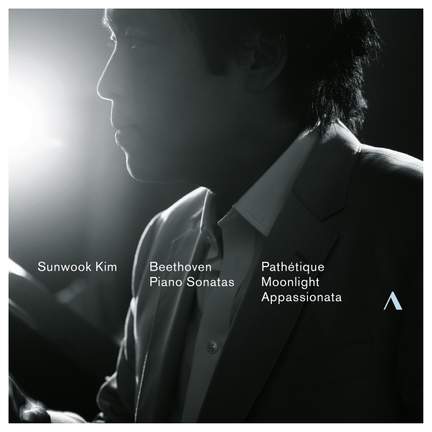
Beethoven: Piano Sonatas
Pathetique, Moonlight, Appassionata
Sunwook Kim (piano)
Awards:
-
Gramophone Magazine, May 2017, Editor's Choice

Kim has an unering sense of underlying harmonic tension and tonal design, plus the skill to apply colour and blend accordingly, which gives his playing both eloquence and architectural solidity...
Beethoven: Piano Sonatas
Pathetique, Moonlight, Appassionata
Sunwook Kim (piano)
Purchase product
Awards:
-
Gramophone Magazine, May 2017, Editor's Choice
Kim has an unering sense of underlying harmonic tension and tonal design, plus the skill to apply colour and blend accordingly, which gives his playing both eloquence and architectural solidity...
About
After his first CD featuring Beethoven's piano sonatas No. 21(“Waldstein”) and No. 29 ("Hammerklavier"), Sunwook Kim’s third solo CD with Accentus Music presents an impressive interpretation of Ludwig van Beethoven’s three most well-known piano sonatas: "Pathétique" (No. 8), "Moonlight Sonata" (No. 14), and "Appassionata" (No. 23).
Sunwook Kim, who won the first prize at the Leeds International Piano Competition in 2006, has matured to become a subtle and accomplished Beethoven specialist – not least thanks to his partnership with the Beethoven House in Bonn, whose unique collection he regularly consults in his preparation of Beethoven's works. Sunwook Kim stays close to the original score, yet nevertheless provides a very personal interpretation, which reveals a new and exceptional reading that stands out from the abundance of existing recordings of these three piano sonatas.
Contents and tracklist
- Sunwook Kim (piano)
- Sunwook Kim (piano)
- Sunwook Kim (piano)
Awards and reviews
-
Gramophone MagazineMay 2017Editor's Choice
 May 2017
Kim has an unering sense of underlying harmonic tension and tonal design, plus the skill to apply colour and blend accordingly, which gives his playing both eloquence and architectural solidity and saves him from having to rely on on gimmicky exaggeration to make his mark.
Pianist Magazine August 2017
The adagios are really adagio; the allegros super-speedy; the fortissimos are huge. His overall approach is not subtle, but it’s an enormous amount of fun, and it works up a storm in these three tempestuous sonatas.