Lyatoshynsky: Symphony No. 1 & Grazhyna
Symphonies, Vol. 1
Ukrainian State Symphony Orchestra, Theodore Kuchar
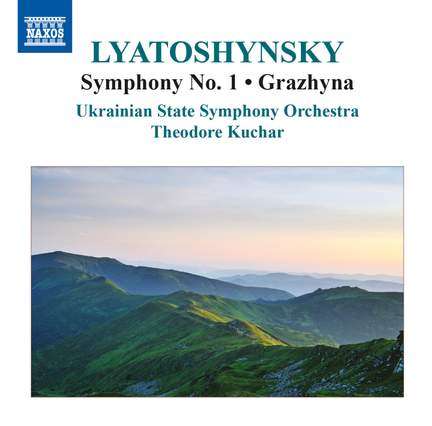
Lyatoshinsky is widely regarded as the leading Ukrainian symphonist of the 20th century. His First Symphony is a passionately Romantic work strongly influenced by Glière and Scriabin.
Lyatoshynsky: Symphony No. 1 & Grazhyna
Symphonies, Vol. 1
Ukrainian State Symphony Orchestra, Theodore Kuchar
Purchase product
Lyatoshinsky is widely regarded as the leading Ukrainian symphonist of the 20th century. His First Symphony is a passionately Romantic work strongly influenced by Glière and Scriabin.
About
Boris Lyatoshynsky is seen as the father of twentieth-century Ukrainian music. His compositions brought him not only critical acclaim, but also into conflict with the Soviet authorities. The remarkable First Symphony draws on the romantic traditions of Tchaikovsky and Wagner, and has at its heart a dramatic and tragic central movement originally entitled Lyric Poem. The symphonic ballad Grazyhna is one of Lyatoshynsky’s true masterworks, expressing the highly charged emotions of sorrow and heroism in Adam Mickiewicz’s inspirational poem. This is the first of three discs comprising the complete Lyatoshynsky symphonies.
Contents and tracklist
- Ukrainian State Symphony Orchestra
- Theodore Kuchar
- Ukrainian State Symphony Orchestra
- Theodore Kuchar
Awards and reviews
 January 2015
Lyatoshinsky is widely regarded as the leading Ukrainian symphonist of the 20th century. His First Symphony is a passionately Romantic work strongly influenced by Glière and Scriabin.
 4th December 2014
Each [symphony] possesses drama, orchestral colour and great flowing melodies, but while the Second is lamenting the strictures of Soviet control in the 1930s, the Third is celebratory.