Maxwell Davies: Symphony No. 2
BBC Philharmonic, Peter Maxwell Davies
he remains a modernist at heart, and expressionism, or at least anti-lyricism, is never far away. That is generally true of all his symphonies, and the seascape-inspired Second is no exception...Maxwell...
Maxwell Davies: Symphony No. 2
BBC Philharmonic, Peter Maxwell Davies
Purchase product
he remains a modernist at heart, and expressionism, or at least anti-lyricism, is never far away. That is generally true of all his symphonies, and the seascape-inspired Second is no exception...Maxwell...
About
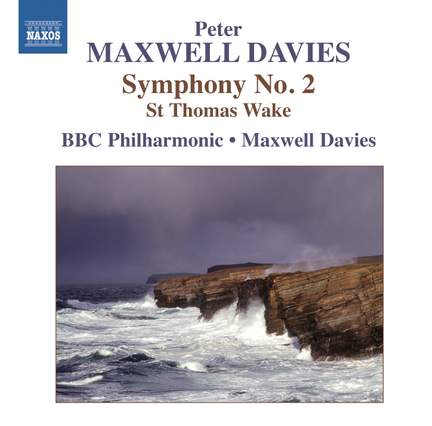
Sir Peter Maxwell Davies’ Second Symphony is his ‘Sea Symphony’, a complex, virtuosic work that explores in absorbing, increasingly dynamic fashion, the ocean’s proximity and what the composer calls ‘the architecture of its forms’. Both themes and orchestration are masterly. The percussion section is richly voiced, adding considerably to the symphony’s very particular, rugged and varied sound world. St Thomas Wake, by contrast, is a disquieting but bravura exercise in parody, evoking memories of the composer’s experiences during the Second World War.
Sir Peter Maxwell Davies is a leading symphonist and this particular work is a rugged, powerful example of how he has absorbed the influence of, say, Sibelius to generate his own sense of sound, motion and energy. As with the companion work, the sardonic, parodic St Thomas Wake, this is an ex-Collins recording, and it received excellent reviews when first released in 1994, though back then these two works were not coupled together.
Contents and tracklist
Awards and reviews
 16th April 2013
he remains a modernist at heart, and expressionism, or at least anti-lyricism, is never far away. That is generally true of all his symphonies, and the seascape-inspired Second is no exception...Maxwell Davies's modernist credentials are also in evidence in the St Thomas Wake...The BBC Philharmonic are on form as usual, with Maxwell Davies ensuring everything is as it should be.
 13th May 2012
[the Symphony] comprises a giant four-movement reappraisal of tradition, far more self-consciously a symphony than the seemingly self-surprising example that is its brilliant predecessor. The earlier, foxtrot-parodying, grindingly dissonant symphonic essay St Thomas Wake is still as incandescent as it is entertaining.