Bach Cantatas Volume 5
Cantatas for the Eighth Sunday after Trinity & Cantatas for the Tenth Sunday after Trinity
The Monteverdi Choir & The English Baroque Soloists, John Eliot Gardiner
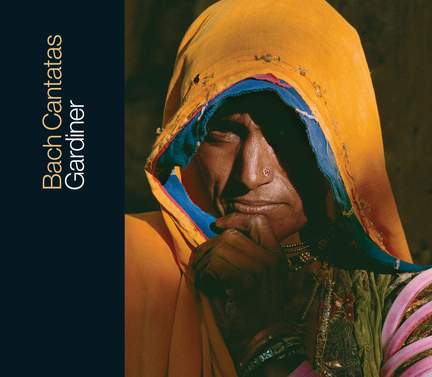
The Monterverdi Choir and the English Baroque Soloists are technically superb and expressive throughout… …Gardiner's expressive range, unfettered by fashionable dogma, achieves compelling results...
Bach Cantatas Volume 5
Cantatas for the Eighth Sunday after Trinity & Cantatas for the Tenth Sunday after Trinity
The Monteverdi Choir & The English Baroque Soloists, John Eliot Gardiner
Purchase product
The Monterverdi Choir and the English Baroque Soloists are technically superb and expressive throughout… …Gardiner's expressive range, unfettered by fashionable dogma, achieves compelling results...
About
John Eliot Gardiner’s choral Pilgrimage exploring the magnificence and grandeur of all of Bach’s cantatas continues with this 2CD release, combining cantatas for the eighth and tenth Sunday after Trinity, recorded live in August 2000.
BWV 178 Wo Gott der Herr nicht bei uns hält, premiered in Leipzig on 20th July 1724 derives from the Gospel reading (Matthew 7:15-23) and warns against hypocrites and false prophets. With its opening powerful chorus, the mood is set for this chilling cantata fraught with anger and a grim mood of foreboding.
In contrast, hope and belief permeate BWV 136 Erforsche mich, Gott, und erfahre mein Herz and BWV 45 Es ist dir gesagt, Mensch, was gut ist. The penitential tone of BWV 136 is stressed through the beautifully crafted pleas of ‘Prüfe mich’ (‘Try me’) which appear in the extensive opening choral fugue. BWV 45 is Bach’s last surviving cantata for this Sunday and is replete with emotional turmoil.
In BWV 46 Schauet doch und sehet, ob irgendein Schmerz sei, Bach unsurprisingly, excels producing a richly thematic cantata depicting clearly the story’s vivid, unsettling patterns of destruction and restoration, of God’s anger and Christ’s mercy.
The antithesis between God’s anger and mercy resurfaces in Bach’s two later cantatas for this Sunday; BWV 101 Nimm von uns Herr, du treuer Gott and BWV 102 Herr, deine Augen sehen nach dem Glauben!
With their customary brilliance and expert musicianship, the Monteverdi Choir and the English Baroque Soloists triumph, making this the ideal next instalment in what many have already come to regard as the first choice of recorded Bach Cantata series.
Recording locations: Christkirche, Rendsburg & Braunschweig Cathedral
Contents and tracklist
Awards and reviews
 December 2008
The Monterverdi Choir and the English Baroque Soloists are technically superb and expressive throughout… …Gardiner's expressive range, unfettered by fashionable dogma, achieves compelling results on a level only intermittently achieved by rivals.
 2010
2010
Our Pilgrimage travels to Rendsburg and Braunschweig for a selection from Bach's 'golden years' of vocal writing, 1723-25. The immediacy of the sound in the former seems almost ideal for the intensity of Wo Gott derHerr, which thrusts us into an unyielding paranoia about God's indifference to our plight.
Gardiner summons an impressive, generative agitation that illuminates the imagery of shipwreck in the bass aria, as well as the tenor aria with its declamatory 'Schweig, schweig' (Be silent) which, despite its final consolation, reeks of dissembling. Brindley Sherratt and Christophe Genz deliver exceptional realisations.
The short journey to the resonant Braunschweig involves a new solo team and performances which are altogether more transporting. If one reveres the 'Qui tollis' from the B minor Mass, doesn't the opening of Schauet doch in its original context of dissolute lamentation say even more? Certainly, Gardiner uses it brilliantly to take off with one of Bach's most jarring fugal exegeses.
Equally breathtaking is the traumatic opening chorus, on Luther's hymn 'Vater unser', of No 101 with its almost flagellatory appoggiaturas to depict the breaking of Satan's hold.
In Nos 46 and 102 (with another sensational opening chorus), the arias and obbligato contributions are remarkable. Gardiner calls No 102's 'Dein Wetter' one of Bach's rare 'tsunami' arias: bass Gotthold Schwarz carries this image ideally, accompanied by the fine trumpet-playing of Gabriele Cassone.
If not flawless compared to the studio series, this Pilgrimage encourages a heart-warming depth of engagement with the music.
 December 2008
Increasingly excellent performances of some of Bach's finest mature cantatas. If not flawless compared to the studio series, this Pilgrimage encourages a heart-warming depth of engagement with the music.