Haydn: String Quartet, Op. 51 'Seven Last Words'
Rosamunde Quartett
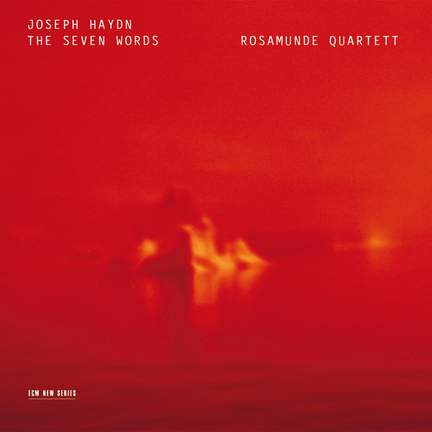
This reading is alert not only to musical texture, but to the modulating phrase and the dramaturgy of key changes between movements. The playing is limpid and subtly coloured, sparing of vibrato...
Haydn: String Quartet, Op. 51 'Seven Last Words'
Rosamunde Quartett
Purchase product
This reading is alert not only to musical texture, but to the modulating phrase and the dramaturgy of key changes between movements. The playing is limpid and subtly coloured, sparing of vibrato...
About
Contents and tracklist
- Rosamunde Quartett (stringquartet), Andreas Reiner (violin), Simon Fordham (violin), Helmut Nicolai (viola), Anja Lechner (cello)
- Recorded: 2000-05-31
- Recording Venue: Festeburgkirche, Frankfurt/Main
Awards and reviews
 2010
2010
This reading is alert not only to musical texture, but to the modulating phrase and the dramaturgy of key changes between movements. The playing is limpid and subtly coloured, sparing of vibrato (in that respect the Rosamunde are heedful of various period-instrument models) and, at the beginning of the third movement, suspended in a sense of rapture. Another imaginative aspect of this performance is the way it reflects the sense of the text, just as Haydn does in those movements that seem to follow the pattern of the words he set. This feeling of narrative is especially keen in the fourth movement, 'Woman, behold thy son!' and the closing 'Earthquake'.
The list of virtues is fairly simple to enumerate: variety and refinement of tone, internal clarity, historical awareness, imagination and a certain poise that not all its rivals can claim in equal measure.
It serves well as a compromise between period-instrument clarity and modern-instrument warmth. Against strong competition its fuller instrumental sonority is marginally to be preferred. A first-rate CD of a wonderful score.