Special offer. Liszt: Première Élégie, S196, etc.
Anne Gastinel (Cello), Pierre-Laurent Aimard (Piano)
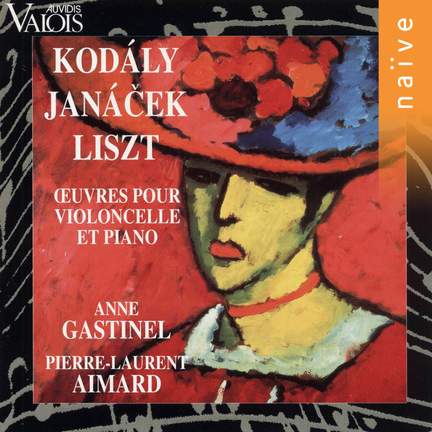
This is an imaginative piece of programme planning, with arrangements of Liszt's Elégies and Lalugubre gondola separated by Kodály's Sonata and Janácek's Pohádka. Liszt, writing in the 1870s...
Special offer. Liszt: Première Élégie, S196, etc.
Anne Gastinel (Cello), Pierre-Laurent Aimard (Piano)
Purchase product
This is an imaginative piece of programme planning, with arrangements of Liszt's Elégies and Lalugubre gondola separated by Kodály's Sonata and Janácek's Pohádka. Liszt, writing in the 1870s...
About
Contents and tracklist
Awards and reviews
 2010
2010
This is an imaginative piece of programme planning, with arrangements of Liszt's Elégies and Lalugubre gondola separated by Kodály's Sonata and Janácek's Pohádka. Liszt, writing in the 1870s and early 1880s, sounds as modern as either of the composers writing in 1910; indeed, there's much in his augmented-chord harmony and his fondness for unusual scales that influenced Kodály, while Janácek also admired him and used his religious music for teaching. This is Romantic music outside the mainstream of European musical romanticism. Gastinel and Aimard give performances as intelligent as these juxtapositions suggest, oblique and dark in the linking figure of Liszt, especially with La lugubregondola, one of the most extraordinary late piano pieces. Kodály's sonata is played with a quiet intensity, rhapsodic in manner but strongly held together by the clarity of emphasis on the motto theme and its musical implications. Janácek's pieces can sound sharper and quirkier than here, and in such performances make their point more strongly; but this playing is of a piece with the whole approach. Gastinel has a clean, resinous tone, and a strong sense of line; she's well partnered by Aimard, and the recording is balanced.