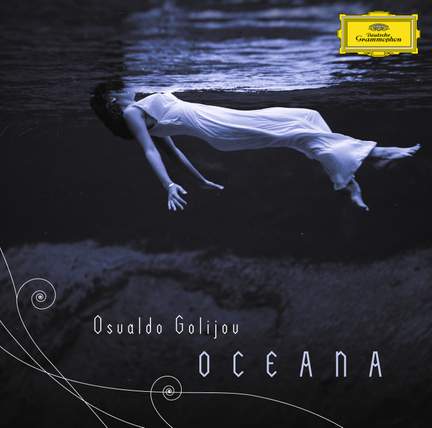
Golijov - Oceana
Dawn Upshaw (soprano)
Atlanta Symphony Orchestra & Kronos Quartet, Robert Spano
Awards:
-
Gramophone Magazine, September 2007, Disc of the Month

With its boldly flavoured mix of styles, Golijov's Oceana (1996) looks forward to the St Mark Passion (2000) – the work that put him on the musical map. The solo part was written for renowned...
Golijov - Oceana
Dawn Upshaw (soprano)
Atlanta Symphony Orchestra & Kronos Quartet, Robert Spano
Purchase product
Awards:
-
Gramophone Magazine, September 2007, Disc of the Month
With its boldly flavoured mix of styles, Golijov's Oceana (1996) looks forward to the St Mark Passion (2000) – the work that put him on the musical map. The solo part was written for renowned...
About
Contents and tracklist
- Luciana Souza (mezzo-soprano), Scott Tennant (guitar), John Dearman (guitar), Elisabeth Remy Johnson (harp), Jay Anderson (doublebass), Jamey Haddad (percussion)
- Atlanta Symphony Orchestra, Atlanta Symphony Chorus, Members of the Gwinnett Young Singers
- Robert Spano
- Recorded: 2004-11-14
- Recording Venue: Symphony Hall, Atlanta
- Kronos Quartet (stringquartet)
- Recorded: 2006-11-05
- Recording Venue: St. Joseph Memorial Chapel, College of the Holy Cross, Worcester
- Dawn Upshaw (soprano)
- Atlanta Symphony Orchestra
- Robert Spano
- Recorded: 2005-11-22
- Recording Venue: Symphony Hall, Atlanta
Awards and reviews
-
Gramophone MagazineSeptember 2007Disc of the Month
 2010
2010
With its boldly flavoured mix of styles, Golijov's Oceana (1996) looks forward to the St Mark Passion (2000) – the work that put him on the musical map. The solo part was written for renowned Brazilian jazz singer Luciana Souza whose solos range from impassioned invocation to angular yet elegant breeziness. The choral part is of equal prominence, however, and some of it sounds surprisingly reminiscent of Philip Glass.
The final section, 'Chorale of the Reef', makes the most powerful effect, with mesmeric, overlapping phrases, chant-like rhythms and darkly radiant harmonies. The Atlanta Chorus sing it with rapt conviction.
Oceana ebbs away to haunting silence, providing a natural segue to Tenebrae (2002), a lament for string quartet that somehow smiles through its tears. Generous arcs of slow-moving melody – often with trembling accompaniment – evoke the great Renaissance masters. Golijov introduces earthier elements – exotic scales, anxious heartbeats, flickering firelight – and the work comes full circle, concluding with a consoling meditation on a hopeful cadential gesture. Kronos, the dedicatees, give a heartfelt performance.
The Three Songs are drawn from diverse sources. 'Night of the Flying Horses' is adapted from Golijov's music for Sally Potter's film TheMan Who Cried. The drop-dead gorgeous lullaby Dawn Upshaw intones at the beginning echoes Bizet's 'Je crois entendre encore' (an aria featured in the film), while the rhapsodic instrumental conclusion is inspired by Balkan gypsy band music. 'Lua descolorida' is yet another demonstration of Golijov's gift for melody – and for establishing an other-worldly atmosphere through the simplest means. Upshaw rightly describes it as the saddest C major song she knows. 'How Slow the Wind' (Emily Dickinson) taps into a vein of Mahlerian sorrow while ravishing the ear. Upshaw's love for this music is palpable in every bar, and Spano and the Atlanta Symphony provide firm yet supple emotional support. Absolutely not to be missed.
 September 2007
Choral power, a lamenting quartet and gorgeous songs: it's Golijov to savour.