Pfitzner: Violin Sonata & Piano Trio
Benjamin Schmid (violin), Clemens Hagen (cello), Claudius Tanski (piano)
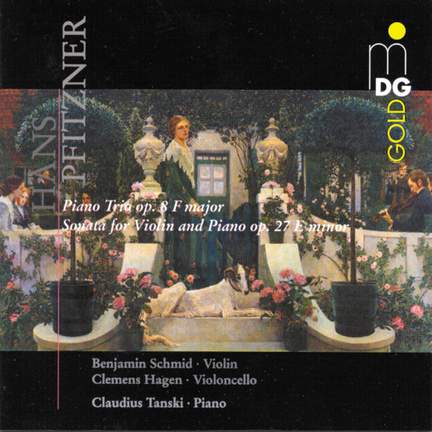
The Sonata is a fine piece from Pfitzner's maturity, while the much earlier Piano Trio is one of the most extraordinary works for the medium you're likely to have ever heard. To be sure, enterprising...
Pfitzner: Violin Sonata & Piano Trio
Benjamin Schmid (violin), Clemens Hagen (cello), Claudius Tanski (piano)
Purchase product
The Sonata is a fine piece from Pfitzner's maturity, while the much earlier Piano Trio is one of the most extraordinary works for the medium you're likely to have ever heard. To be sure, enterprising...
About
Contents and tracklist
- Claudius Tanski, Benjamin Schmid
- Claudius Tanski, Benjamin Schmid, Clemens Hagen
Awards and reviews
 2010
2010
The Sonata is a fine piece from Pfitzner's maturity, while the much earlier Piano Trio is one of the most extraordinary works for the medium you're likely to have ever heard. To be sure, enterprising chamber players hunting for neglected repertory may well have come across early critical reactions to both these pieces, and references to (for example, in the case of the Trio) Pfitzner's 'sick imagination' and the work's 'monstrous length' might put anyone off.
When he wrote it Pfitzner was in despair at his financial and other problems; he told a friend that after finishing it all he wanted was to die. It does at times suggest a man at the end of his tether, but also a composer chronicling such a state when at the height of his powers.
It's long, extremely tense, at times weirdly obsessive, even hysterical, but all this takes place within a cunningly plotted ground plan. After the strange and powerful contrasts of the first movement, with its wild coda, the noble but perilously assaulted main theme of the slow movement, the dance-like but fraught and nervous Scherzo, Pfitzner begins his finale with a choleric gesture which soon fades to pathos and pallor. After 10 minutes of desperate attempts to climb out of this pit, a positive coda seems possible, but when the music turns instead to utterly euphonious calm the listener is likely to be moved by what seems in context heroic as well as wonderfully beautiful.
The Sonata, from 1918, sounds like a demonstration – with various modernisms obvious – that Pfitzner's late Romantic style and prodigious craft still had abundant life in them. Its inexhaustible inventiveness and the beauty of its themes are accompanied by a considerable enjoyment of virtuosity: Pfitzner, you realise, is having a high old time. Both works are vastly welcome, in short, but that they should be so superbly played goes beyond all reasonable expectations.