Rameau - Keyboard Suites
Angela Hewitt (piano)
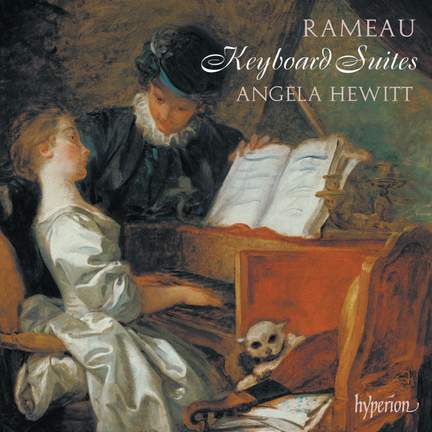
Hewitt clearly relishes the colour and rhythmic energy of these dance sequences; her performances have a wonderfully fluid stylishness, with scrupulous ornamentation that never seems self-consciously...
Rameau - Keyboard Suites
Angela Hewitt (piano)
Purchase product
Hewitt clearly relishes the colour and rhythmic energy of these dance sequences; her performances have a wonderfully fluid stylishness, with scrupulous ornamentation that never seems self-consciously...
About
Hyperions Record of the Month for January takes multi-award-winning Baroque legend Angela Hewitt to the elegantly refined French court of the early eighteenth century. Jean-Philippe Rameau topped the summit of the Musical Establishmentnamed Compositeur du Cabinet du Roi in 1745yet his pedigree was hardly auspicious. For a time a travelling violinist, he held numerous undistinguished posts as provincial organist (rarely serving out his contract and on one occasion deliberately playing sufficiently badly to ensure his dismissal) before finally settling in Paris at the age of forty. Something of a theoristhis treatise On the Technique of the Fingers on the Harpsichord makes for essential readingRameaus intellectualism combines in his music to produce passion and tenderness, in his own words true music the language of the heart. Some sixty keyboard works are known, gathered by key into five suites; Hewitt here performs three of them. Courtly dances (including the famous Tambourin) sit alongside more programmatic movements (such as Les sauvagesRameau had just seen two Louisiana Indians performing at the theatre) in these engaging and deceptively catchy miniatures. Admirers of Angela Hewitts acclaimed Bach and Couperin recordings will need no encouragement to sample these new delights. Angela Hewitt was named Artist of the Year at the Gramophone Awards 2006, capping a year of unparalleled success and recognition.
Contents and tracklist
Awards and reviews

Hewitt clearly relishes the colour and rhythmic energy of these dance sequences; her performances have a wonderfully fluid stylishness, with scrupulous ornamentation that never seems self-consciously correct, and they are founded upon a willingness to use the full tonal resources of a modern concert grand in a way that seems to make utterly irrelevant any question of what is historically or musicologically "correct" in playing this music