Brahms: Violin Sonatas Nos. 1-3
Itzhak Perlman (violin) & Vladimir Ashkenazy (piano)
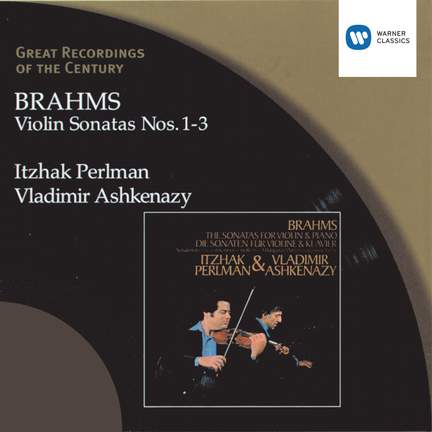
If anyone doubts that these three sonatas represent Brahms at his most blissfully lyrical, then this is an essential set to hear. The trouble-free happiness of these mellow inspirations, all...
Brahms: Violin Sonatas Nos. 1-3
Itzhak Perlman (violin) & Vladimir Ashkenazy (piano)
Purchase product
If anyone doubts that these three sonatas represent Brahms at his most blissfully lyrical, then this is an essential set to hear. The trouble-free happiness of these mellow inspirations, all...
About
Contents and tracklist
Work length27:09
This work is only available as an album download.
I. Vivace ma non troppo
Track length10:43
This track is only available as an album download.
Awards and reviews
 2010
2010
If anyone doubts that these three sonatas represent Brahms at his most blissfully lyrical, then this is an essential set to hear. The trouble-free happiness of these mellow inspirations, all written after the main body of Brahms's orchestral music had been completed, comes over richly and seductively in these fine performances. In their sureness and flawless confidence, they carry you along cocooned in rich sound. Perlman consistently produces rich, full-bodied tone, an excellent illustration being the way that he evokes a happy, trouble-free mood in the melody which opens the second movement Adagio of No 3. The obverse of this is that with such consistent richness and warmth, the three sonatas come to sound more alike than they usually do, or maybe should, a point which comes out the more from playing them in sequence. It's true that Perlman does quite often play softly, but for some tastes he's placed too close to the microphone, and the actual dynamic level stays rather high, however gently he's playing. This isn't to say that with sharp imagination and superbly clean articulation from the pianist, these performances lack range of expression – in particular, there's the rhythmic pointing, which gives a Hungarian or a Slavonic tang to such passages as the first contrasting episode in the 'raindrop' finale of No 1 or the contrasting Vivace passages in the second movement of No-2, where the last pizzicato reprise is made totally delectable. These performances are both distinctive and authoritative. The recording is bright, with a good sense of atmosphere to give bite to the piano tone without diminishing the warmth of Perlman's violin.