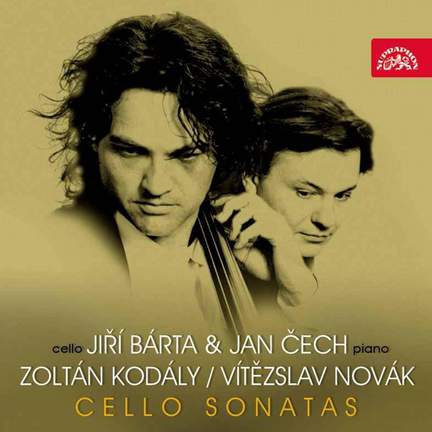
Kodaly & Novak: Cello Sonatas
Jiri Barta (cello) & Jan Cech (piano)
Awards:
-
Gramophone Magazine, January 2004, Editor's Choice

Kodály's Solo Cello Sonata is among the strongest, most searching of all his works, arguably the finest of all works for unaccompanied cello since Bach's suites, and here it receives a performance...
Kodaly & Novak: Cello Sonatas
Jiri Barta (cello) & Jan Cech (piano)
Purchase product
Awards:
-
Gramophone Magazine, January 2004, Editor's Choice
Kodály's Solo Cello Sonata is among the strongest, most searching of all his works, arguably the finest of all works for unaccompanied cello since Bach's suites, and here it receives a performance...
About
Contents and tracklist
Awards and reviews
-
Gramophone MagazineJanuary 2004Editor's Choice
 2010
2010
Kodály's Solo Cello Sonata is among the strongest, most searching of all his works, arguably the finest of all works for unaccompanied cello since Bach's suites, and here it receives a performance of exceptional power, precision and clarity from Jirí Bárta. His command in tackling the most formidable of technical problems means that he's able to keep a steady tempo and clarify textures with clean attack on double stopping, all seemingly without strain. Yet the intensity of his performance never flags, with a rare depth of concentration in the dark central Adagio. In the folk-dance rhythms of the Allegro finale he's volatile and thrusting, again using a formidable dynamic range that's well caught by the recording.
The same goes for the accompanied Cello Sonata. Bárta is well-matched by his pianist, Jan Cech: they make light of the problems presented by the many tempo changes in both movements, an opening Fantasia and a weighty finale, by giving an improvisatory feel. The folk element is heightened by an element of rawness, with the players striking sparks off each other.
The Supraphon disc has a substantial supplement in one of Vitezslav Novák's late works, a Cello Sonata. Written in 1941 during the Nazi occupation of Czechoslovakia, it represented an eruption of hatred against the invaders. Though it may not quite match the two Kodály works in emotional power, the passionate character of this closely argued single movement – bringing together elements of a multi-movement sonata structure – is most impressive, particularly in a performance as commanding as this.