Britten: Cello Suites and Cello Sonata
Mstislav Rostropovich (cello), Benjamin Britten (piano)
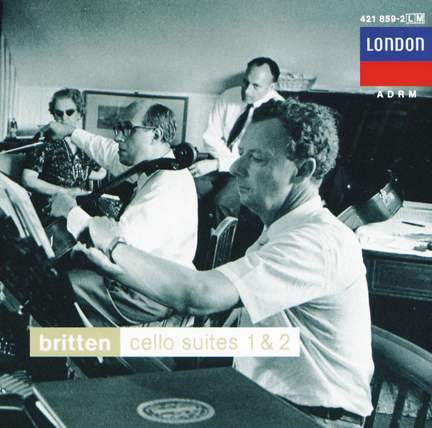
The tone is gritty, expressive and eloquent. Britten himself speaks through these accounts.
Britten: Cello Suites and Cello Sonata
Mstislav Rostropovich (cello), Benjamin Britten (piano)
Purchase product
The tone is gritty, expressive and eloquent. Britten himself speaks through these accounts.
About
Contents and tracklist
- Mstislav Rostropovich (cello)
- Recorded: 1968-07-23
- Recording Venue: The Maltings, Snape, Suffolk
- Mstislav Rostropovich (cello)
- Recorded: 1968-07-23
- Recording Venue: The Maltings, Snape, Suffolk
- Mstislav Rostropovich (cello), Benjamin Britten (piano)
- Recorded: 1961-07-21
- Recording Venue: Kingsway Hall, London
Awards and reviews
 October 2011
The tone is gritty, expressive and eloquent. Britten himself speaks through these accounts.
 2010
2010
This is a classic recording of the Cello Sonata, with Rostropovich and Britten playing with an authority impossible to surpass, and is here coupled with the unaccompanied First and Second Cello Suites. The suggestive, often biting humour, masks darker feelings. However, Britten manages, just, to keep his devil under control. Rostropovich's and Britten's characterisation in the opening Dialogo is stunning and their subdued humour in the Scherzo-pizzicato also works well. In the Elegia and the final Moto perpetuo, again, no one quite approaches the passion and energy of Rostropovich. This work, like the two Suites, was written for him and he still remains the real heavyweight in all three pieces. Their transfer to CD is remarkably successful; it's difficult to believe that these recordings were made in the 1960s.