Research in Dance: Methods, Processes, and Practical Applications
- Author: Duffy, Ali
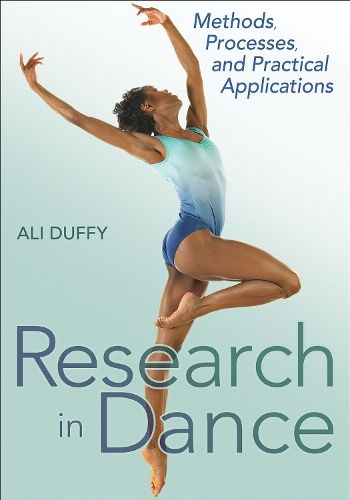
Research in Dance: Methods, Processes, and Practical Applications
- Author: Duffy, Ali
Purchase product
About
A comprehensive guide to conducting, presenting, and publishing dance research.
Dance research is an ever-growing field, with many opportunities for dancers to shed light on the sophisticated ways dance affects and changes lives. Research in Dance offers new and insightful information for dance researchers at all stages of their learning and inquiry. In addition to serving as a foundational text for new researchers, it brings forward innovative concepts and strategies intended for those dance researchers already experienced in qualitative or arts-based inquiry.
There are few resources that delve into the specific purposes, methods, and processes of research in dance. As the first of its kind, this text addresses topics often overlooked by other resources:
- Arts-based research approaches
- Socially engaged research
- Interdisciplinary research methods
- Professional paths in dance research
- Grant writing for research support
Dance researchers have many avenues to consider as they embark on sharing their discoveries. More than 50 academic journals and popular magazines focused on dance are available in print and online. There are many book publishers, stage producers, festivals, academic and professional conferences, and online platforms that also support dance research. Research in Dance explores philosophical frameworks and methodological approaches to assist the reader in the sharing of research. The text lays out practical, step-by-step guidance on selecting the best platform in which to present or publish a research outcome, and it offers guidance on preparing and submitting manuscripts and proposals.
Research in Dance aims to meet readers wherever they are in their research journey and to address the needs of people working, studying, or researching in academic, nonprofit, business, and studio settings as well as in company dance and arts programs.
Contents
- Introduction
- Purpose and Brief History of Dance Research
- How Dance Research Benefits Individuals, Communities, and the Global Society
- How Dance Researchers Learn to Conduct Research
- Grants and Fundraising
- Chapter 1. Preparing to Conduct Research: Identifying a Topic, Purpose, Questions, and Plan
- Leveraging Existing Interests and Knowledge Toward Research Project Development
- Choosing a Research Topic or Idea
- Developing a Research Purpose Statement or Vision
- Developing an Argument or Thesis Statement
- Research Questions
- Annotated Bibliography to Literature Review
- Citing Sources
- Ensuring Ethical Research
- Conclusion
- Chapter 2. Identifying and Positioning the Researcher
- Philosophical Assumptions
- Interpretive Frameworks
- Biases, Assumptions, and Gaps in Understanding
- Inclusive Research
- Developing Effective, Ethical Relationships With Research Participants
- Conclusion
- Chapter 3. Research Approaches in Dance
- Qualitative Research
- Quantitative Research
- Arts Practice Research and Dance-Based Methods
- Mixed Methodologies
- Interdisciplinary Approaches
- Practical and Applied Research
- Conclusion
- Chapter 4. Research Processes and Protocols
- Qualitative Research Processes
- Quantitative Research Processes
- Arts-Based Methods and Processes
- Applied Research
- Community-Engaged Research
- Conclusion
- Chapter 5. Sharing Your Research
- Qualitative and Quantitative Research: Articles, Books, Presentations, and Events
- Arts-Based Research: Performances, Festivals, Fellowships, and Residencies
- Marketing Yourself as a Researcher
- Conclusion
- Chapter 6. Funding Research in Dance
- What Kinds of Funding Exist to Support Dance Research?
- Searching for Funding Opportunities
- Adapting a Project Idea to Be Competitive for Funding
- Developing a Project Budget
- Submitting a Funding Application
- Dealing With Rejection
- Managing Funds
- Conclusion
- Chapter 7. Field Notes From Dance Researchers
- Why Dance Research Is Important: Beneficiaries and Contributions to Knowledge
- Angela Pickard
- Nonexperimental Research Design and Ethical Decision-Making in Dance
- Doug Risner
- A Solitary Turn
- Ann Dils
- Notes on Becoming a Dance Education Researcher
- Karen Schupp
- Sound and Movement: A Collaborative Study Between Dance and Linguistics
- Tanya Calamoneri and Cynthia Clopper
- The Value of Asking Questions: Dancers as Researchers and Why Dance Research Matters
- Merry Lynn Morris
- Dancing Multiple Ways of Knowing: Thoughts on Interdisciplinary Collaboration Between Dance and Science
- Aoife McGrath
- Dipping a Toe Into Health Science
- Johanna Kirk
- We Regret to Inform You: Rethinking Bias in Academic Rejection
- Crystal U. Davis
- Conclusion
- Chapter 8. Leveraging Your Research and Imagining the Future Field
- Leveraging Existing Projects
- Advancing Your Research Agenda in Dance
- How to Stay Curious and Active
- A Portrait of Dance Research in the Future
- Conclusion