Teaching Children Dance
- Author: Cone, Stephen L.
- Author: Cone, Theresa Purcell
- Author: Enloe, Emily
- Author: Flynn, Susan M.
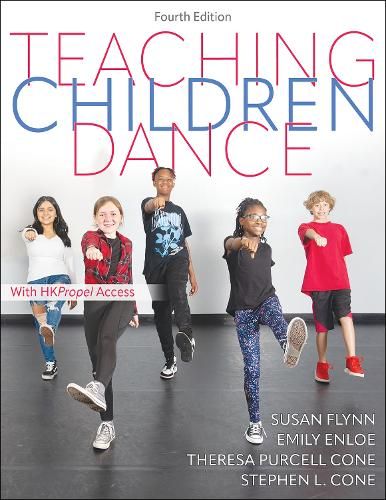
Teaching Children Dance
- Author: Cone, Stephen L.
- Author: Cone, Theresa Purcell
- Author: Enloe, Emily
- Author: Flynn, Susan M.
Purchase product
About
Teaching Children Dance is back and better than ever. The fourth edition of this text retains everything dance educators have loved in previous editions while providing significant updates and new material.
What’s New in This Edition?
New material in the text-which contains learning experiences for physical education, dance, and classroom settings and is geared toward K-12 students of all ability levels-includes the following:
- Two new chapters that feature 32 new learning experiences for popular, fitness, and social dances, as well as for folk and cultural dances based on traditional movements and songs from around the globe
- Instructional videos of teaching techniques, movements, and dances from the two new chapters
- Online resources, accessed through HKPropel, that include PowerPoint presentations, gradable assessments, and forms that can be used as is or adapted
Dance an Inherent Component of Education
“This latest edition of Teaching Children Dance brings a new perspective focused on dance as an inherent component of a child’s education,” says coauthor Susan Flynn. “Since our last edition, educational issues have refocused on students gaining knowledge and skills that can be applied to all aspects of their lives. Dance is one mode for learning that involves using the body and the senses to gather information, communicate, and demonstrate conceptual understandings.”
Book Organization
The text is organized into two parts, with part I’s seven chapters providing the foundation for developing dance learning experiences and offering ideas for planning a yearlong program, a unit, or a single lesson. Part II contains two chapters of creative dance learning experiences and two chapters on choreographed learning experiences. Each learning experience includes learning outcomes; ideas for the introduction and warm-up, development, and culminating dance; variations and adaptations; and assessment suggestions that are directly linked to each outcome.
Fun Learning for All Ability Levels
Teaching Children Dance offers dance instructors insight into designing lessons for students of all skill levels, including those with disabilities, and provides a variety of teaching strategies, assessment tools, and instruction on effective demonstrations-all to make the learning experience fun and motivating for the dancers.
“We’ve developed learning experiences that encourage creativity, positive social interaction, and motor skill development,” says Flynn. “Students view dance as a way to have fun. This opens the door for dance to be a welcomed activity in the school curriculum.”
Note: A code for accessing HKPropel is included with this ebook.
Contents
- Part I. A Framework for Teaching Children’s Dance
- Chapter 1. Understanding the Importance of Teaching Children’s Dance
- What Is Children’s Dance?
- Why Teach Children’s Dance?
- What Are the Benefits of Children’s Dance?
- Applying 21st-Century Skills to Teaching Dance
- Meeting the Whole Child Through Dance
- Linking the Physical Activity Guidelines to Dance
- Summary
- Questions for Reflection
- Chapter 2. Presenting Essential Content for Children’s Dance
- The Body
- Body Shapes
- Space
- Time
- Force
- Flow
- Relationships
- Dance Forms
- Summary
- Questions for Reflection
- Chapter 3. Designing a Dance Program
- Planning a Yearlong Dance Program
- Planning a Dance Unit
- Planning the Dance Lessons
- Sample Unit and Lesson Outline
- Interdisciplinary Connections
- Summary
- Questions for Reflection
- Chapter 4. Creating a Dance Education Setting
- Class Size
- Equipment and Teaching Materials
- Facilities
- Class Frequency and Length
- Community Characteristics
- School Policies
- Program Advocacy
- Summary
- Questions for Reflection
- Chapter 5. Making Teaching Effective
- Helping All Students Learn
- Using Various Teaching Styles and Strategies
- Motivating Learners
- Establishing Protocols and Rules
- Creating a Safe Learning Environment
- Presenting Demonstrations
- Providing Feedback
- Engaging Students in Performances
- Observing and Responding to Dance
- Summary
- Questions for Reflection
- Chapter 6. Assessing Children’s Learning in Dance
- Teacher Assessment of Program
- Teacher Assessment of Students
- Peer Assessment
- Student Self-Assessment
- Assessment Instruments
- Summary
- Questions for Reflection
- Chapter 7. Including All Children in Dance
- Knowing Your Students With Disabilities
- Creating an Inclusive Environment
- Implementing Inclusive Teaching Strategies
- Inclusive Dances
- Summary
- Questions for Reflection
- Part II. Learning Experiences
- Chapter 8. Learning Experiences for Kindergarten, First Grade, and Second Grade
- Neighborhood Friendship Streamer Dance
- Floating Clouds and Rain Showers
- Run, Hop, Jump, Skip
- The Playground
- Ocean Waves and Swimmers
- Spaghetti Dance
- Balloon Dance
- Percussion Instrument Dance
- The Hungry Cat
- Circus Dance
- Connect the Spots
- Frog Dance
- Chapter 9. Learning Experiences for Third Through Eighth Grades
- Dancing Homework Machine
- Creative Square Dance
- Action Words
- Baseball Dance
- Birthday Celebration
- Partner Dance
- Three Sport Dances: Sport Add-On, Sport Web, and Sport Pictures in Action
- Dance Maps
- Create Your Own Hip-Hop Dance
- Funky Shape Museum
- Stick Figures Come Alive
- Chapter 10. Learning Experiences in Popular, Fitness, and Social Dances
- Overview of Popular, Fitness, and Social Dances
- Teaching Strategies for Choreographed Dance Lessons
- Basic Social and Popular Dance Movements
- Learning Experiences
- 5, 6, 7, 8 Steps Line Dance
- 16-Step Contra Dance
- Disco Fever Dance
- Funky Cowboy Line Dance
- Grapevine Slide Dance
- Hey Baby Line Dance
- The Hit Man Contra Dance
- Honky Tonk Line Dance
- Honky Tonk Circle Dance
- Rockin’ Shuffle
- Rock This Party Line Dance
- Baba Hou Fitness Dance
- T Fitness Dance
- Cha-Cha Plank Fitness Dance
- Circle Jam Fitness Dance
- Tabata Dance
- Salsa
- Swing
- Cha-Cha
- Create Your Own Fitness Dance
- Create Your Own Popular Dance
- Sample Rubrics
- Chapter 11. Learning Experiences in Folk and Cultural Dances
- American Square Dance
- Bele Kawe
- Appalachian Big Circle (Elementary Version)
- Appalachian Big Circle (Secondary Version)
- Kinderpolka
- La Raspa
- Mayim, Mayim
- Samoan Sasa
- Tanko Bushi
- Tinikling
- Virginia Reel