Creative Industries: Contracts between Art and Commerce
- Author: Caves, Richard E.
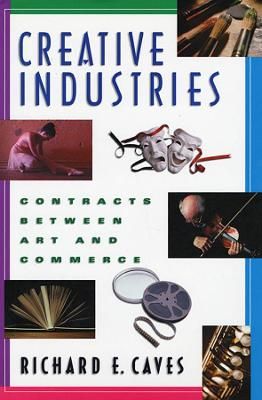
[Caves] uses contract and industrial-organization theory to throw light on how and why the industries producing cultural goods and services--from literature to film, from rock music to opera--work...
Creative Industries: Contracts between Art and Commerce
- Author: Caves, Richard E.
Purchase product
[Caves] uses contract and industrial-organization theory to throw light on how and why the industries producing cultural goods and services--from literature to film, from rock music to opera--work...
About
This book explores the organization of creative industries, including the visual and performing arts, movies, theater, sound recordings, and book publishing. In each, artistic inputs are combined with other, "humdrum" inputs. But the deals that bring these inputs together are inherently problematic: artists have strong views; the muse whispers erratically; and consumer approval remains highly uncertain until all costs have been incurred.
To assemble, distribute, and store creative products, business firms are organized, some employing creative personnel on long-term contracts, others dealing with them as outside contractors; agents emerge as intermediaries, negotiating contracts and matching creative talents with employers. Firms in creative industries are either small-scale pickers that concentrate on the selection and development of new creative talents or large-scale promoters that undertake the packaging and widespread distribution of established creative goods. In some activities, such as the performing arts, creative ventures facing high fixed costs turn to nonprofit firms.
To explain the logic of these arrangements, the author draws on the analytical resources of industrial economics and the theory of contracts. He addresses the winner-take-all character of many creative activities that brings wealth and renown to some artists while dooming others to frustration; why the "option" form of contract is so prevalent; and why even savvy producers get sucked into making "ten-ton turkeys," such as Heaven's Gate. However different their superficial organization and aesthetic properties, whether high or low in cultural ranking, creative industries share the same underlying organizational logic.
Contents
- Preface
- Introduction Economic Properties of Creative Activities
- Part I : Supplying Simple Creative Goods
- 1. Artists as Apprentices
- 2. Artists, Dealers, and Deals
- 3. Artist and Gatekeeper: Trade Books, Popular Records, and Classical Music
- 4. Artists, Starving and Well-Fed
- Part II : Supplying Complex Creative Goods
- 5. The Hollywood Studios Disintegrate
- 6. Contracts for Creative Products: Films and Plays
- 7. Guilds, Unions, and Faulty Contracts
- 8. The Nurture of Ten-Ton Turkeys
- 9. Creative Products Go to Market: Books and Records
- 10. Creative Products Go to Market: Films
- Part III : Demand for Creative Goods
- 11. Buffs, Buzz, and Educated Tastes
- 12. Consumers, Critics, and Certifiers
- 13. Innovation, Fads, and Fashions
- Part IV : Cost Conundrums
- 14. Covering High Fixed Costs
- 15. Donor-Supported Nonprofit Organizations in the Performing Arts
- 16. Cost Disease and Its Analgesics
- Part V : The Test of Time
- 17. Durable Creative Goods: Rents Pursued through Time and Space
- 18. Payola
- 19. Organizing to Collect Rents: Music Copyrights
- 20. Entertainment Conglomerates and the Quest for Rents
- 21. Filtering and Storing Durable Creative Goods: Visual Arts
- 22. New versus Old Art: Boulez Meets Beethoven Epilogue Notes
- Index
Awards and reviews

[Caves] uses contract and industrial-organization theory to throw light on how and why the industries producing cultural goods and services--from literature to film, from rock music to opera--work as they do...Caves does not engage issues of ideology, nor of the political or economic importance of the arts, but simply sees the creative industries as fascinating areas of economic activity which have been largely neglected by economists...By documenting a wide range of commercial interactions across the creative industries, this comprehensive and immensely readable book shows persuasively that economic theory can help us understand the sheer business of making art happen. -- David Throsby