Embodied Communities: Dance Traditions and Change in Java
- Author: Hughes-Freeland, Felicity
Embodied Communities: Dance Traditions and Change in Java
- Author: Hughes-Freeland, Felicity
Purchase product
About
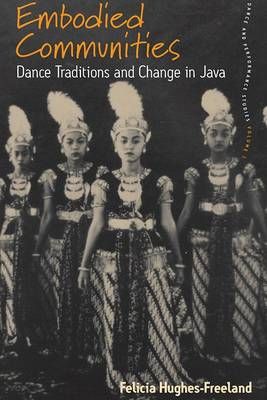
Court dance in Java has changed from a colonial ceremonial tradition into a national artistic classicism. Central to this general transformation has been dance’s role in personal transformation, developing appropriate forms of everyday behaviour and strengthening the powers of persuasion that come from the skillful manipulation of both physical and verbal forms of politeness. This account of dance’s significance in performance and in everyday life draws on extensive research, including dance training in Java, and builds on how practitioners interpret and explain the repertoire. The Javanese case is contextualized in relation to social values, religion, philosophy, and commoditization arising from tourism. It also raises fundamental questions about the theorization of culture, society and the body during a period of radical change.
Contents
- List of Figures and tables
- Preface and
- Acknowledgements A Note on Spelling and Other Matters Abbreviations
- Chapter 1 .
- Introduction Dance, Culture, and Embodiment
- Chapter 2 . Before the Nation: The Heyday of Court Dance
- Chapter 3 . From Colony to Nation: Dance in the Reign of Haengkubuwana IX
- Chapter 4 . Embodying Culture: Dance as Education
- Chapter 5 . Performance and Symbolism: Bedhaya and the Poetics of Power
- Chapter 6 . The Art of Dancing: Joged Matatam
- Chapter 7 . Changing Styles of Patronage: Tourism and Commoditization
- Chapter 8 .
- Conclusion Embodies Communities in the Nation State
- Appendices I
- Appendices II
- Appendices II
- Glossary
- Bibliography
- Index