Dance Imagery for Technique and Performance
- Author: Franklin, Eric
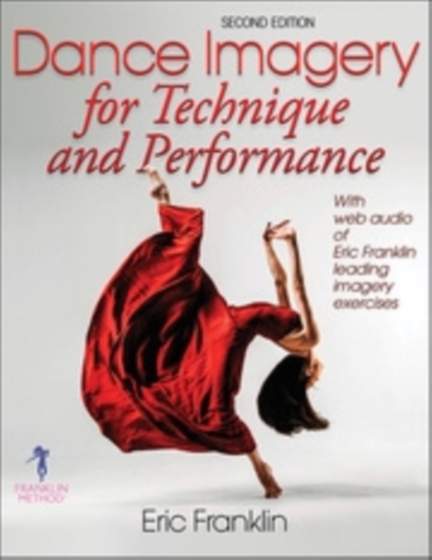
Dance Imagery for Technique and Performance
- Author: Franklin, Eric
Purchase product
About
Using imagery to improve dancing and artistic expression. Renowned master teacher Eric Franklin has thoroughly updated his classic text, Dance Imagery for Technique and Performance, providing dancers and dance teachers with a deep understanding of how they can use imagery to improve their dancing and artistic expression in class and in performance. The 300 illustrations cover the major topics in the book, showing exercises to use in technique, artistic expression and performance. This new edition of Dance Imagery for Technique and Performance can be used with Franklin's Dynamic Alignment Through Imagery, Second Edition, or on its own. Either way, readers will learn how to combine technical expertise with imagery skills to enrich their performance, and they will discover methods they can use to explore how imagery connects with dance improvisation and technique.
Contents
- Part I. Art and Science of Imagery
- Chapter 1. History, Theory, and Uses of Imagery
- Defining Imagery
- Historical Perspectives
- Emerging Theories on Imagery
- Benefits of Using Imagery in Dance
- Summary
- Chapter 2. Types and Effectiveness of Imagery
- Direct Imagery
- Types of Imagery
- Imagery Strings
- Making Imagery Effective
- Summary
- Part II. Discovering and Exploring Imagery
- Chapter 3. Discovering Imagery
- Nature
- Movies
- Literary Arts
- Music
- Visual Arts
- Propensity Toward Imagery
- Summary
- Chapter 4. Basic Movement Imagery and Exercises
- Intention
- Whole-Body Sensation
- Space
- Weight
- Music and Rhythm
- Connections Through the Body
- Breath and Flow
- Summary
- Chapter 5. Imagery in Dance Improvisation
- Improvisation and Dance Technique
- Improvisation With Children
- Imagery Improvisation Exercises
- Contact Improvisation and Imagery
- Butoh
- Summary
- Part III. Imagery in Dance Technique Classes
- Chapter 6. Teaching Dance With Imagery
- Elements of Making Progress
- Function and Anatomy
- Effort and Tension
- Alignment Paradox
- Guidelines for Teachers
- Guidelines for Students
- Summary
- Chapter 7. Floorwork, Walking, and Running
- Floorwork
- Pelvis as a Strong Sitting Base
- Upper-Body Motion While Sitting
- Falls to the Floor
- Rolls on the Ground
- Floor Barre
- Stillness and Slow Movement
- The Foot
- Walking and Running
- Summary
- Chapter 8. Plie
- Force Absorption in Plie
- Imagery for Plie
- Summary
- Chapter 9. Tendu-Based Movements
- Battement Tendu/Degage (Jete)
- Rond de Jambe a Terre
- Battement Fondu (Demi-Plie on One Leg)
- Battement Frappe
- Summary
- Chapter 10. Developpe and Other Extensions
- Creating Smooth Action in the Hip Joint
- Extensions to the Back
- Releasing Tension, Embodying Fascia
- Summary
- Chapter 11. Arabesque, Attitude, and Grand Battement
- Research on Imagery for the Plie Arabesque
- Art and Science of Balance
- Grand Battement
- Summary
- Chapter 12. Swings, Arches, and Spirals
- Swings and Arches
- Spirals
- Summary
- Chapter 13. Upper-Body Gestures
- Port de Bras (Arm Gestures)
- Hands
- Face
- Eyes
- Neck
- Summary
- Chapter 14. Turns
- From Crawls to Pirouettes
- Natural Turners
- What You Can Learn From a Spinning Top
- Turning With the Whole Body
- Angular Motion
- Phases of Turning in Pirouettes
- Summary
- Chapter 15. Jumps
- Speed and Leverage
- Anatomical Considerations
- The Foot in Jumping
- Elastic Leaps and Rhythmic Rebound
- Traveling Leaps and Turning Leaps
- Breathing Before Jumping
- Arms and Leaping
- Floors and Soft Landings
- The Sky Is the Limit
- Summary
- Chapter 16. Partnering
- Requirements for Partnering
- Connecting With Your Partner
- Using Imagery in Partnering
- Summary
- Part IV. Imagery in Choreography, Rest, and Regeneration
- Chapter 17. Imagery and Performance Quality
- Expressivity
- Authenticity
- Endowment
- Magical Outfit
- Performance Environment
- Relationship With the Audience
- Your History
- Stepping Onstage
- Summary
- Chapter 18. Rest and Regeneration
- Using Your Hands
- Releasing Touch
- Constructive Rest
- Guided Imagery
- Summary