Cuban Flute Style: Interpretation and Improvisation
- Author: Miller, Sue
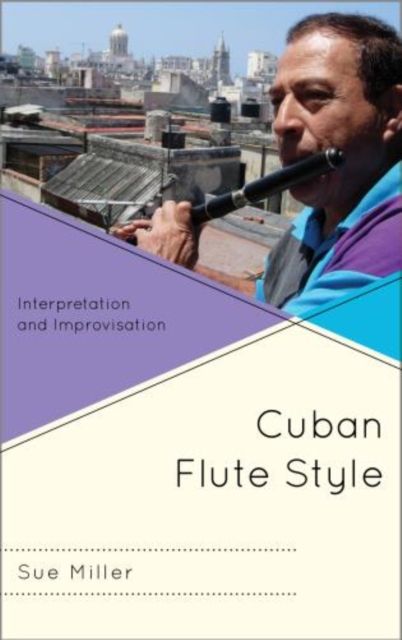
[F]or all the academic and anthropological research work done in the past 60+ years in the Latin Music field, very few have been successful in conveying the essence of their subject matter....
Cuban Flute Style: Interpretation and Improvisation
- Author: Miller, Sue
Purchase product
[F]or all the academic and anthropological research work done in the past 60+ years in the Latin Music field, very few have been successful in conveying the essence of their subject matter....
About
Richard Egües and José Fajardo are universally regarded as the leading exponents of charanga flute playing, an improvisatory style that crystallized in 1950s Cuba with the rise of the mambo and the chachachá. Despite the commercial success of their recordings with Orquesta Aragón and Fajardo y sus Estrellas and their influence not only on Cuban flute players but also on other Latin dance musicians, no in-depth analytical study of their flute solos exists.
In Cuban Flute Style: Interpretation and Improvisation, Sue Miller—music historian, charanga flute player, and former student of Richard Egües—examines the early-twentieth-century decorative style of flute playing in the Cuban danzón and its links with the later soloistic style of the 1950s as exemplified by Fajardo and Egües. Transcriptions and analyses of recorded performances demonstrate the characteristic elements of the style as well as the styles of individual players. A combination of musicological analysis and ethnomusicological fieldwork reveals the polyrhythmic and melodic aspects of the Cuban flute style, with commentary from flutists Richard Egües, Joaquín Oliveros, Polo Tamayo, Eddy Zervigón, and other renowned players.
Miller also covers techniques for flutists seeking to learn the style—including altissimo fingerings for the Boehm flute and fingerings for the five-key charanga flute—as well as guidance on articulation, phrasing, repertoire, practicing improvisation, and working with recordings. Cuban Flute Style will appeal to those working in the fields of Cuban music, improvisation, music analysis, ethnomusicology, performance and performance practice, popular music, and cultural theory.
Contents
- Cuban Flute Style: Interpretation and Improvisation
Awards and reviews
ARSC Journal
[F]or all the academic and anthropological research work done in the past 60+ years in the Latin Music field, very few have been successful in conveying the essence of their subject matter. Sue Miller's remarkable book does not only succeed in its comprehensive approach to introduce and educate both performing flutists and academicians to this wonderful music and its history, she captivates the reader through her passion, love and commitment to the genre. . . .Sue Miller deserves the highest praise for a work of the highest caliber. . . .I declare that Cuban Flute Style is brilliant and without precedent. The research work is thorough and meticulous. The historical narrative of the flute styles and its protagonists is comprehensive, consistent and most importantly, respectful of the music's tradition and filled with palpable affection. Her improvisation transcriptions and music samples from a wide selection of recordings (most of them commercially released) are accurate and accessible. . . .Sue Miller has created a work that celebrates and guarantees the perpetuation of Charanga and its Cuban Flute Style Tradition for many generations to come. Its historical, cultural, and pedagogical value cannot be overstated